
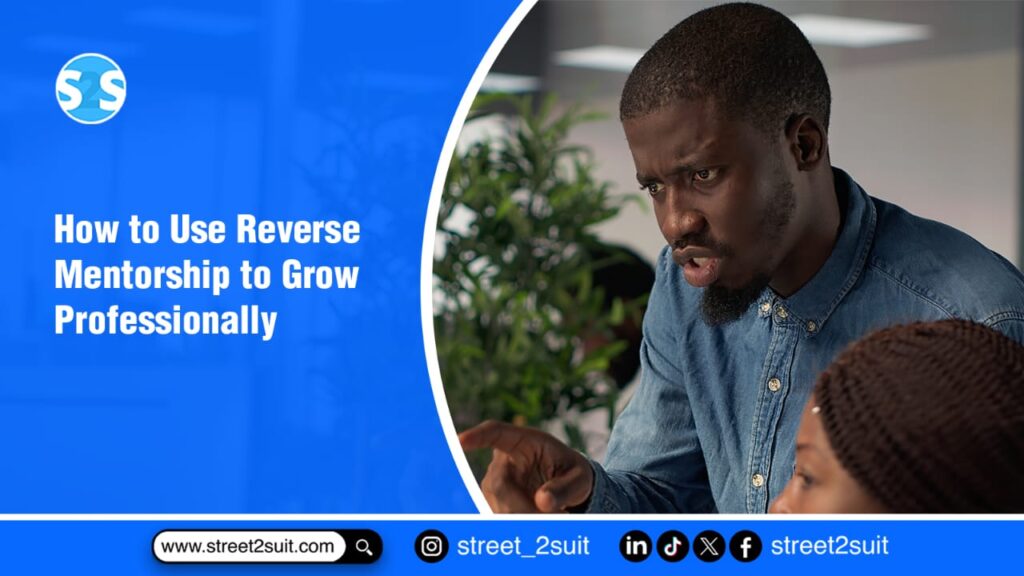
In many workplaces, mentorship usually follows a familiar pattern: a senior professional guides a junior employee by sharing experience, advice, and career wisdom. But in the professional world now, learning no longer moves in only one direction. A growing number of professionals and organizations are discovering the value of reverse mentorship, a relationship where younger or less senior employees mentor more experienced colleagues.
Reverse mentorship may sound unusual at first, but it has become one of the most practical ways to build skills, improve communication across generations, and stay relevant in an evolving workplace. Whether you are early in your career or already in leadership, reverse mentorship can become a powerful tool for your professional growth.
What Is Reverse Mentorship?
Reverse mentorship is a professional relationship where a less experienced employee shares knowledge, fresh perspectives, or modern skills with someone more senior. This often happens in areas such as digital technology, social media trends, new workplace tools, diversity awareness, or changing customer behavior.
The goal is not to replace traditional mentorship but to complement it. In a reverse mentorship relationship, both people learn from each other. A junior employee may explain emerging trends, while the senior colleague shares strategic thinking and career insight.
This exchange creates a balanced learning environment where experience and innovation work together.
Why Reverse Mentorship Matters Today
The workplace changes faster than ever. New technologies, communication styles, and business models appear constantly. Professionals who rely only on past experience may struggle to adapt.
Reverse mentorship helps solve this problem by creating direct access to current knowledge. Younger professionals often understand digital habits, online communities, and new tools naturally because they interact with them daily.
At the same time, reverse mentorship also breaks down barriers between generations. It encourages openness, reduces assumptions, and builds stronger workplace relationships.
For professionals, this means staying relevant, improving confidence, and learning how to work effectively with people from different backgrounds.
Benefits of Reverse Mentorship for Professional Growth
1. You Learn New Skills Faster
One of the biggest advantages of reverse mentorship is practical skill development. A junior colleague may help you understand:
- Digital collaboration platforms
- Social media communication
- Artificial intelligence tools
- Modern marketing trends
- New productivity methods
Instead of learning through long courses alone, you gain direct guidance from someone already comfortable using these tools.
2. You Gain Fresh Perspectives
Sometimes professional growth slows because people become used to one way of thinking. Reverse mentorship introduces new viewpoints.
A younger mentor may question old assumptions, suggest different approaches, or explain how younger customers or employees think. This fresh perspective often leads to better decisions and innovation.
3. You Improve Communication Across Generations
Different generations often communicate differently. Reverse mentorship helps professionals understand language, expectations, and work habits across age groups.
This is especially useful for managers who lead diverse teams. Better understanding leads to fewer misunderstandings and stronger collaboration.
4. You Build Humility and Adaptability
Being willing to learn from someone younger shows maturity and confidence. It teaches humility, which is an important leadership quality.
Professionals who remain teachable usually adapt better during career changes and industry shifts.
5. You Expand Your Network
Reverse mentorship naturally creates stronger internal relationships. These relationships often open doors to collaboration, visibility, and long-term career support.
How to Start Reverse Mentorship Successfully
1. Choose the Right Person
A reverse mentor does not need to be an expert in everything. Choose someone who has strength in an area you want to improve.
This could be a younger colleague who understands digital branding, data tools, remote work systems, or emerging market trends.
The key is respect. Choose someone whose knowledge you genuinely value.
2. Define Clear Learning Goals
Before starting, decide what you want to learn.
Ask yourself:
- Do I want to improve my digital skills?
- Do I need a better understanding of younger customers?
- Am I trying to improve workplace communication?
- Do I want to understand new technology?
Clear goals make the mentorship productive.
3. Create a Comfortable Learning Environment
Reverse mentorship works best when both people feel safe to speak openly. The senior professional should avoid acting defensive, while the junior mentor should feel confident sharing ideas honestly. Learning should feel like a conversation, not a test.
4. Schedule Regular Conversations
Consistency matters. Even one meeting each month can create strong progress. Keep sessions focused:
- Discuss one topic at a time
- Ask practical questions
- Try real examples
- Review progress
Small regular sessions work better than one long meeting.
5. Be Open to Feedback
The most successful reverse mentorship happens when both people listen actively. Sometimes younger mentors may point out habits that no longer work well. Accepting feedback without defensiveness helps real growth happen.
How Junior Professionals Also Benefit
Reverse mentorship is not only valuable for senior professionals. Junior employees gain major benefits too.
They develop confidence in communication, leadership ability, strategic thinking, visibility in the organization, and stronger professional relationships.
Teaching someone more experienced often improves a person’s own understanding and credibility.
Common Mistakes to Avoid
- Treating It Like a Formal Hierarchy
- Reverse mentorship should not feel rigid. If hierarchy dominates, honest conversation becomes difficult.
- Expecting Instant Results
- Ignoring Mutual Learning
- Making Reverse Mentorship Part of Your Career Strategy
After each conversation, ask:
- What did I learn?
- How can I apply it this week?
- What changed in how I think or work?
Small changes create visible growth over time.
Professionals who continue learning from different sources usually stay more competitive and adaptable.
Conclusion
Reverse mentorship shows that professional growth does not depend only on age or job title. Valuable knowledge exists at every level of an organization.
The most successful professionals are often those willing to learn from anyone, regardless of status.
When experience meets fresh insight, both people become stronger.
Reverse mentorship is not just a modern trend, it is a practical way to remain relevant, connected, and ready for future opportunities.
If approached with openness and consistency, it can become one of the smartest investments in your professional development.
Receive the latest job and career updates in your inbox, every week!