
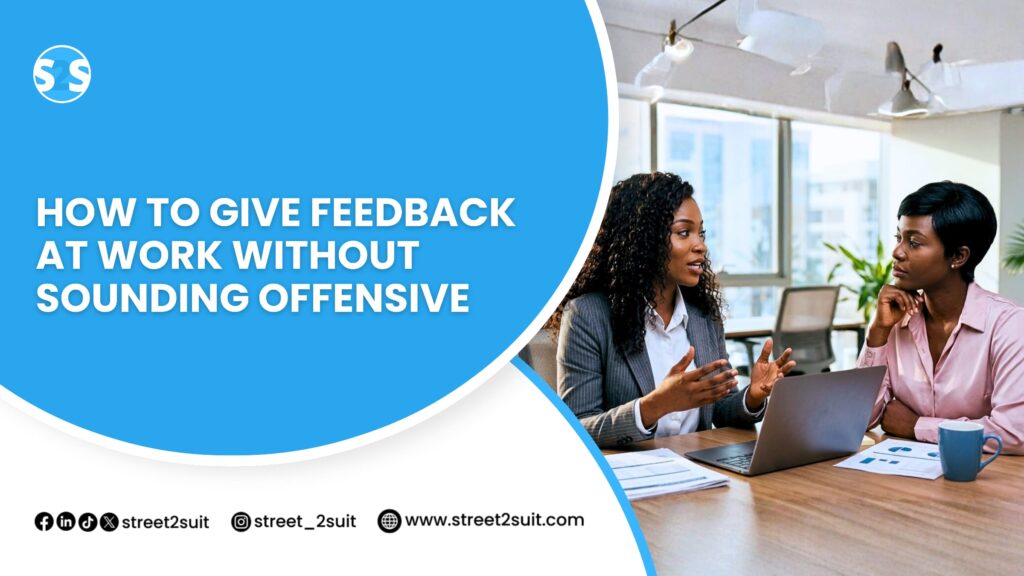
That Monday morning meeting started like every other, another promising week has started.
MD: Good morning, everyone.
Team: Good morning, ma.
MD: Hassan, the email you sent me was full of errors. Next time, use ChatGPT or something to curate it before sending. I honestly didn’t understand what you were trying to say, you need to do better and work on your attitude to things.
Team: Silence fills the room.
Hassan: I’m sorry, ma. I didn’t notice the errors. I’ll work on it.
MD: You should. I can’t be teaching you how to do your job. Halima here always drafts very nice emails for me. You can do better.
Hassan: Okay, ma. (He nods slightly, looking a bit defeated.)
MD: Today, we will be talking about our last meeting and some areas we need to work on.
Halima: Here is a quick recap of the last meeting… [she proceeds with the summary] …thank you.
MD: Who created the minutes?
Halima: James, ma.
MD: It lacks details, you are so careless with it. I honestly don’t know how to put this, but I once worked with an SSCE holder who wrote meeting minutes perfectly. Why should I always be correcting graduates over something an SSCE holder can do? Anyway, we will have to adjourn this meeting.
The room goes quiet again, no one speaks, no one asks questions. Everyone simply gathers their things and walks out.
Now here’s the question: Was that feedback? Technically, yes.
Was it constructive feedback or criticism disguised as feedback?
That is something you will discover as you keep reading.
Feedback at work is one of those things everyone agrees is important until it’s time to actually give it.
Suddenly, you start second-guessing every sentence in your head.
Will this sound rude? What if they think I’m attacking them? What if this creates tension between us?
So instead of saying what needs to be said, many people either stay silent or sugarcoat the message so much that the real issue gets lost. The result? The same problems continue, resentment quietly builds, and nothing improves.
Giving feedback isn’t about criticizing people, tt’s about improving outcomes while maintaining respect. The challenge is learning how to communicate concerns in a way that feels constructive rather than confrontational.
The good news is that this is a skill and like any skill, it can be learned.
Understand the Purpose of Feedback First
Before you give feedback, it helps to ask yourself one simple question:
Why am I saying this?
If the answer is to embarrass someone, prove a point, or release frustration, the conversation will likely come across as offensive.
But if the purpose is to improve work, clarify expectations, or help someone grow, your tone and approach naturally change.
Constructive feedback should aim to:
- Improve performance or results
- Prevent recurring mistakes
- Strengthen teamwork
- Support someone’s development
When the intention is clear in your mind, it becomes easier to communicate respectfully.
Address Issues Early Instead of Letting Them Explode
One reason feedback sounds harsh is because people wait too long to give it.
At first, a mistake seems small, so it gets ignored, then it happens again and again. By the time it’s finally addressed, frustration has already built up, and instead of calm feedback, it comes out sounding like criticism.
Timely feedback prevents all kinds of buildup, because addressing issues while they’re still small keeps the conversation focused on solutions rather than blame.
Think of feedback as maintenance rather than punishment.
Focus on the Work, Not the Person
A common mistake in feedback conversations is making the issue sound like a personality flaw.
For example:
- You’re careless with your reports.
This immediately feels personal and defensive.
A better approach is to focus on the specific task:
- I noticed a few numbers were missing from the report. Let’s review the process so we can avoid that next time.
The difference may seem subtle, but it changes the entire tone of the conversation.
- The first sentence labels the person.
- The second addresses the work.
People are far more open to improving their work than defending their character.
Be Specific Instead of Vague
Another way feedback becomes offensive is when it’s vague.
Statements like:
- You need to do better.
- Your attitude needs improvement.
- Your work isn’t good enough.
leave the other person confused and defensive. Specific feedback, however, gives clarity.
Instead of saying:
- Your communication is poor.
Try something like:
- In yesterday’s meeting, a few team members seemed unclear about the next steps. It might help if we summarize key decisions before the meeting ends.
Specific feedback shows that your goal is improvement, not criticism.
Use a Calm and Neutral Tone
Sometimes it’s not the words themselves that cause offense, it’s the tone.
Even well-intended feedback can sound harsh if delivered with irritation, sarcasm, or impatience.
Know this:
- A calm tone signals respect and professionalism.
- It helps to approach feedback as a conversation rather than a lecture.
- Speak the way you would want someone to speak to you if the roles were reversed.
- Taking a moment to breathe and collect your thoughts before speaking can make a big difference.
Balance Feedback With Recognition
People are more open to feedback when they feel their efforts are noticed.
This doesn’t mean you should disguise criticism with fake compliments. Insincere praise is easy to detect.
But when someone has done something well, acknowledging it creates a more balanced conversation.
For example:
- Your presentation was very clear and well-structured. One thing that could make it even stronger next time is adding a short summary at the end.
This approach encourages improvement without dismissing what was done right.
Invite Dialogue Instead of Delivering a Verdict
Feedback should not feel like a final judgment.
Instead of telling someone exactly what they did wrong and how to fix it, invite them into the discussion.
You might say:
- How do you think that meeting went?
- What challenges did you face with the deadline?
- Is there anything that made this task difficult?
These questions create space for understanding. Sometimes what appears to be a mistake is actually the result of unclear instructions, heavy workload, or missing information.
When feedback becomes a two-way conversation, it feels collaborative rather than accusatory.
Choose the Right Setting
Where you give feedback matters just as much as what you say.
Take note:
- Correcting someone in front of colleagues can embarrass them and damage trust, even if your intention is helpful.
- Sensitive feedback is best shared privately.
- Public spaces are better suited for recognition and praise. Private conversations are more respectful when discussing areas that need improvement.
Avoid Emotional Language
Words like “always,” “never,” or “everyone thinks” tend to escalate situations.
For example:
- You always submit work late.
- You never listen to instructions.
- Everyone is frustrated with you.
These statements sound exaggerated and accusatory.
A better approach is to stick to observable facts:
- Over the last two weeks, the reports have been submitted after the deadline. Let’s figure out what might help keep things on schedule.
Facts keep the discussion grounded and reduce defensiveness.
Offer Solutions, Not Just Problems
Pointing out a problem without suggesting improvement can make feedback feel like blame.
Whenever possible, include constructive suggestions.
For example:
Instead of saying:
- This document isn’t clear.
You could say:
- Adding headings or bullet points might make the document easier to read.
This transforms the conversation from criticism into problem-solving.
Be Willing to Receive Feedback Too
Respectful feedback cultures go both ways. If you’re open to hearing suggestions about your own work, people are more likely to accept your input as well.
You might say:
- Let me know if there’s anything I can improve on too.
- I’m always open to feedback on how I can support the team better.
This shows humility and encourages mutual growth.
Conclusion
Giving feedback at work doesn’t have to damage relationships. In fact, when done thoughtfully, it strengthens them.
Respectful feedback builds trust because it shows that you care about the quality of work and the success of the team.
The key is to approach it with clarity, empathy, and professionalism:
- Focus on improvement, not blame
- Address the work, not the person
- Be specific and calm
- Encourage conversation
- Offer solutions
When feedback is delivered with the right intention and approach, it stops feeling like criticism and starts becoming what it was always meant to be, a tool for growth.
Receive the latest job and career updates in your inbox, every week!